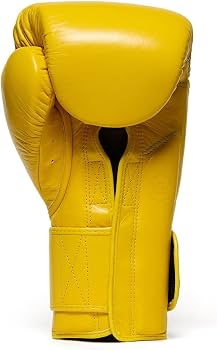
Muay Thai Boxing Gym Near Me in Detroit
Published / October 20, 2026
Updated / October 20, 2026
Muay Thai Gyms Near Metro Detroit: How the Options Compare
Search for a muay thai boxing gym near me in Detroit and you mostly get directory pages: ratings, neighborhoods, hours, a few photos. That's a fine place to start, but a star rating says almost nothing about how a gym runs a class. Underneath the listings, Metro Detroit gyms fall into a few types, and knowing which one you're looking at when you search for a muay thai boxing gym near me can save you weeks of trial and error.
The first is the full-service combat gym, which teaches Muay Thai alongside boxing, kickboxing and MMA under one roof. It suits people who want to cross-train, or who haven't yet figured out which discipline they'll stick with. The second is the specialty striking school. It concentrates on one art and usually keeps a narrower schedule. The third is the fitness-first studio that borrows Muay Thai drills for conditioning. Those are fine for sweating and learning basic combinations, but they rarely build toward competition or deeper technique.
Cooper's Gym (Institute of Martial Arts) belongs in the first group. It has served Michigan since 1972 and offers boxing, Kickboxing, Muay Thai, MMA, Hapkido, Defensive Tactics, kids Karate and fitness training. What sets it apart in a crowded search result is the structure: separate non-competitive and competitive programs, private professional athlete training, and classes in Arabic and Spanish. To see how the striking side is organized, start with the Kickboxing program page.
Use directories for a quick shortlist and a look at recent photos. Use the gym's own site for the current schedule and program details. The first narrows your options; the second helps you decide.
How to Judge a Muay Thai Gym's Safety, and Coaching
Most beginners pick a gym by location and price, then find out too late that safety culture varies wildly. One visit to a Muay Thai Boxing gym near me is enough to assess it, if you know what to watch.
Start with how the coaches treat new people. A good instructor spends the first sessions on stance, footwork, the basic strikes and the clinch, and corrects form patiently before adding speed or power. If newcomers get thrown into hard rounds in week one, that's a warning sign, not toughness.
Sparring policy matters most. Ask directly who spars, when, and at what intensity. A well-run gym brings in light, controlled sparring only after you've shown basic control, pairs you with partners of similar size and experience, and requires proper protective gear. Ask whether sparring is optional. At a gym with separate tracks, it should be.
Then watch the room. Are partners respectful and controlled with each other? Do experienced students help beginners or ignore them? Is the equipment clean and in good repair? Does the coach stop the action to fix a mistake, or just shout? Respect on the mat is the clearest sign of a healthy gym, and nobody can fake it for a whole class.
Finally, ask about coaching background. Skip the résumé full of titles and look for a coach who can explain why a technique works, adapt it to your body and keep you training safely. A gym that has run continuously for decades has had time to refine how it teaches. That's a quiet but real trust signal.
Non-Competitive vs. Competitive Tracks: Choosing Your Path
Many people assume Muay Thai means fighting. It doesn't have to. The most useful question to put to any gym is whether it separates people training for fitness, skill and self-defense from people who want to compete.
A non-competitive track focuses on technique, conditioning and confidence. You learn to strike properly, build cardio and strength, and train at a pressure level you control. Contact stays limited, and nobody expects you to step into a ring. It suits beginners, adults returning to exercise, parents who train alongside their kids, and anyone who wants the discipline without the risk of competition.
A competitive track is built for people who want to fight, as amateurs or eventually as professionals. It adds structured sparring, fight-specific conditioning, game planning and the mental preparation competition demands. Expect a heavier schedule and a coach who decides whether you're ready for each step instead of rushing you.
Cooper's runs these as distinct programs, so a first-timer is never pushed toward fighting and a serious athlete is never held back by a beginner pace. You can start non-competitive, learn the fundamentals and decide later. Plenty of students stay in the fitness lane for years and never regret it. For those who want more, the gym also offers private training for professional athletes.
To choose, ask yourself three things. Do you want to test yourself against opponents? How many days a week can you realistically train? How much contact are you comfortable with right now? Your honest answers point to the right track, and you can switch later.
Kids, Teens and Families, Plus Arabic and Spanish Classes for Dearborn Residents
A gym that only serves adult fighters leaves a lot of families out. Metro Detroit has plenty of parents who want structured activity for their kids and would like to train themselves, often in the same building.
For younger students, look for programs built around discipline, respect and safe fundamentals, not hard contact. Cooper's includes kids karate and programs for teens, which gives children a place to build coordination and confidence before they move into striking arts like Muay Thai. Ask about age requirements and how classes are grouped. Mixing a nine-year-old with experienced adult sparring partners is never appropriate.
Language is a barrier that most directory listings ignore entirely. For many Arabic- and Spanish-speaking residents, especially around Dearborn, training is easier and safer when instructions come in a language they fully understand. Misunderstood safety cues and unclear sparring rules are real risks. Cooper's offers classes in Arabic and Spanish, and you can read more in the post on classes in Arabic and Spanish for Detroit fighters.
If you're a parent or relative who isn't yet comfortable in English, this matters when you decide who will coach your child. Visit, watch a class, and ask who teaches in which language and on which days before you commit. Logistics help families too. Ask whether adult and kids classes can be scheduled so one person trains while another waits, or whether you can train in parallel.
Your First Muay Thai Class: What to Expect and What to Bring
Walking into a muay thai boxing gym near me for the first time is the hardest part. Knowing the shape of a class takes most of the fear out of it.
Expect a warm-up first: jumping rope, light cardio, mobility work and shadowboxing. Then comes technique. The coach demonstrates a strike or combination and you practice it, often on pads or a heavy bag with a partner. Muay Thai uses punches, kicks, elbows and knees plus clinch work, so a beginner session usually breaks these into small pieces. Classes typically finish with conditioning and a cool-down. You'll be tired, and that's normal. Nobody expects polished technique on day one.
For a first class, bring simple things: comfortable athletic clothes you can move in, a water bottle, a small towel, and clean shoes to wear to the mat area if the gym asks you to remove them. Check with the gym before you buy gloves, shin guards or wraps. Many gyms lend basic equipment to first-timers, or can tell you which brands and sizes are worth buying, which spares you gear you'll outgrow.
A few habits help in the first weeks. Arrive a few minutes early to introduce yourself. Tell the coach about any injuries or health concerns. Ask questions rather than guessing. And pace yourself: two or three consistent sessions a week beat one brutal session followed by a week of recovery. Progress in Muay Thai comes from repetition and patience.
Confirming Hours, Free Trials and Location Before You Visit
Before you drive across town to a muay thai boxing gym near me, confirm the practical details. Directory listings are convenient but can be out of date or inconsistent. Cooper's, for example, appears on directories at 16849 W Warren Ave in Detroit, and some listings show hours that differ from one snapshot to the next. Treat any third-party hours as a guide only.
The reliable move is to check the gym's own site at coopersgym.org and, when you can, contact the gym directly. Confirm the current class schedule for your chosen program, since beginner Muay Thai, kickboxing and kids classes run at different times. Find out whether a free or discounted trial class is available and what it includes, whether you can watch a session first, and whether any paperwork is required.
Think about which location serves you best, too. Metro Detroit traffic is unpredictable, and a gym that's easy to reach on a Tuesday evening is far more likely to become a habit than one that's technically closer on a map. Ask about parking, and ask what happens if your first visit lands on a day when the class is full or cancelled.
When you're ready, you can book online to reserve your first session. Show up, introduce yourself and tell the coach what you hope to get out of training. A good gym will meet you where you are, point you to the right track and make that first class a welcoming one.
Institute of Martial Arts Cooper's Gym